
Moissanite vs Lab Diamond: Complete Comparison Guide 2025


As ethical jewelry becomes increasingly popular, two lab-created gemstones have emerged as leading alternatives to mined diamonds: moissanite and lab grown diamonds. Both offer stunning beauty, exceptional durability, and conflict-free origins, but they differ significantly in composition, cost, and visual characteristics. Around the world, both moissanite and lab grown diamonds are gaining popularity as ethical alternatives to mined diamonds.
Whether you’re shopping for a diamond engagement ring or fine jewelry, understanding the differences between these brilliant gemstone options will help you make the perfect choice for your budget and preferences. This comprehensive guide examines every aspect of moissanite vs lab diamond, from sparkle and hardness to price and environmental impact.
Quick Answer: Key Differences Between Moissanite and Lab Diamonds
- Composition: Lab diamonds are real diamonds (pure carbon) created in laboratories, while moissanite is silicon carbide—a completely different gemstone and considered a diamond simulant.
- Cost: Moissanite costs 80-90% less than lab diamonds (1ct moissanite ~$400 vs 1ct lab diamond ~$2,000)
- Hardness: Lab diamonds score 10 on Mohs hardness scale, moissanite scores 9.25
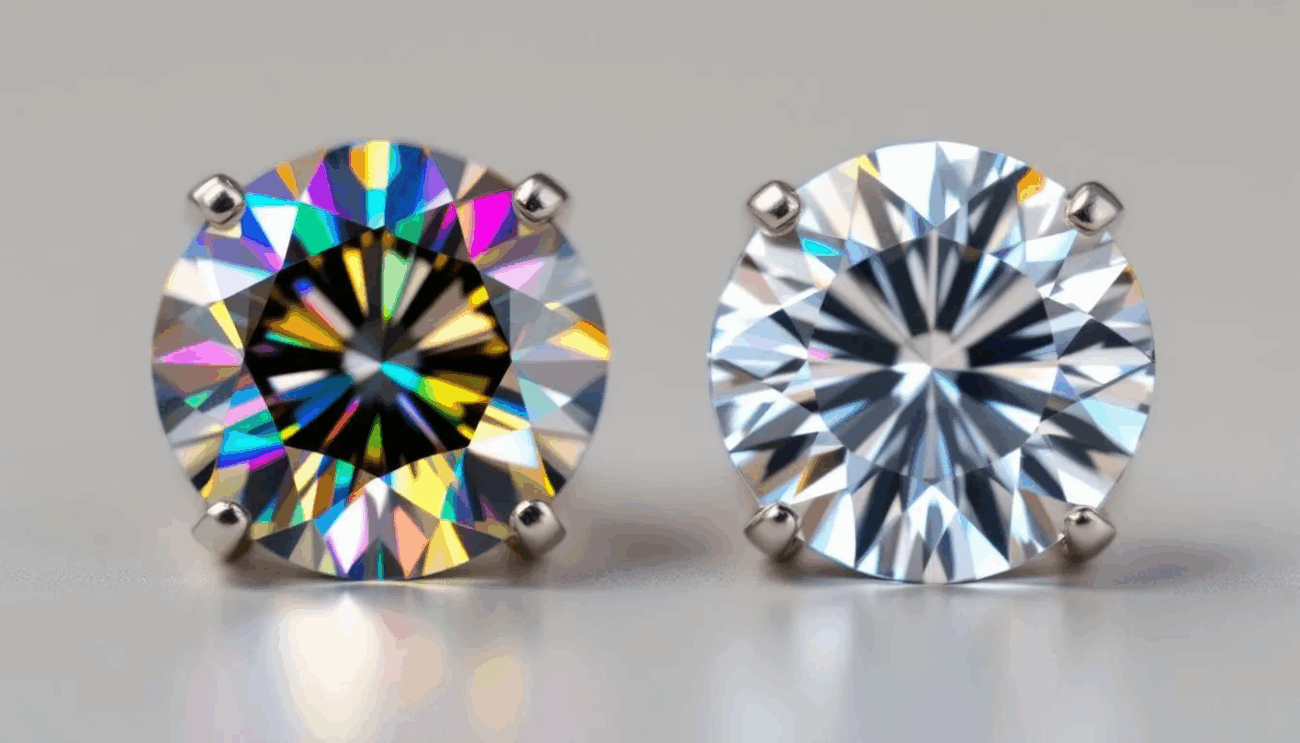
- Sparkle: Moissanite has higher refractive index (2.65-2.69) creating more rainbow fire, lab diamonds have classic white sparkle
- Ethics: Both are ethically sourced, lab-created alternatives to mined diamonds
What is Moissanite?
Moissanite was originally discovered in 1893 by French scientist Henri Moissan in a meteorite crater in Arizona. Initially mistaken for diamond, this brilliant gemstone was later identified as silicon carbide – an entirely different mineral composition. Moissanite is an example of a gemstone that closely resembles diamond, making it a popular alternative. Natural moissanite is extremely rare, even rarer than natural diamonds, making it one of the world’s most coveted gemstones in its natural form.
Today’s jewelry market features lab grown moissanite created using high pressure and temperature processes that replicate the conditions under which natural moissanite forms. This manufacturing process allows for consistent quality and makes moissanite accessible as a popular diamond alternative for engagement rings and fine jewelry. Moissanite is one of several diamond simulants used in jewelry, offering a visually similar appearance to diamonds at a more accessible price.
Modern moissanite is available in colorless, near-colorless, and fancy colors including yellow, blue, and green. The controlled laboratory environment ensures each stone meets precise specifications for clarity, cut quality, and color consistency – something nearly impossible to achieve with the microscopic amounts of natural moissanite found in meteorites. Each moissanite stone is carefully cut and polished to maximize its brilliance and appeal.
The lab grown process dominates the market because natural moissanite crystals large enough for jewelry are virtually non-existent. This makes every moissanite ring you see today a product of advanced scientific innovation, combining the wonder of space-age discovery with modern gemstone technology.
What are Lab Diamonds?
Lab diamonds are real diamonds created in laboratories using either HPHT (High Pressure High Temperature) or CVD (Chemical Vapor Deposition) methods. These grown diamonds are chemically, physically, and optically identical to mined diamonds—pure crystallized carbon with the same atomic structure that forms naturally deep within the earth, sharing all the properties of their natural counterparts.
The first successful lab diamonds were created in 1954 by General Electric, though it took decades of refinement before gem-quality stones became commercially viable. Today’s lab grown diamond technology can produce stones that are indistinguishable from natural diamonds without specialized gemological equipment.
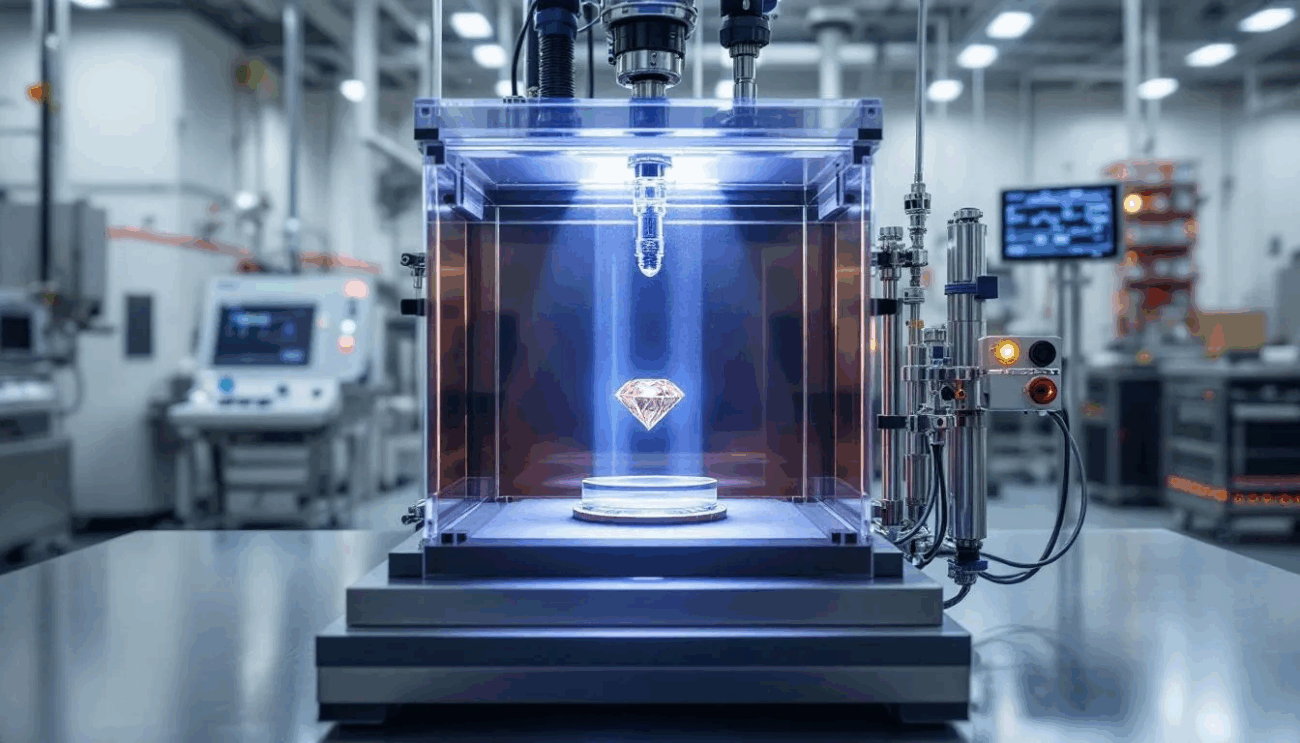
HPHT Method: This process recreates the extreme pressure and temperature conditions found 100 miles below the earth’s surface, where natural diamonds form over millions of years. Carbon is subjected to temperatures exceeding 2,000 degrees Fahrenheit and pressure more than 1.5 million pounds per square inch.
Chemical Vapor Deposition: CVD technology uses a vacuum chamber filled with carbon-rich gas that precipitates onto a diamond substrate, building up layers of pure carbon crystal. This method offers greater control over the final stone’s characteristics and can produce diamonds with fewer inclusions.
Lab diamonds are graded using the same 4Cs system (Cut, Color, Clarity, Carat) as natural diamonds. They receive certificates from the same respected institutions like GIA and IGI, ensuring buyers can verify the exact quality and characteristics of their stone. The only way to distinguish a lab diamond from a mined diamond is through advanced testing that detects minute differences in crystal growth patterns. Gemologists use specialized equipment to determine whether a diamond is lab grown or natural.
Detailed Comparison: Moissanite vs Lab Diamonds
Hardness and Durability
When it comes to everyday wear, both moissanite and lab diamonds offer exceptional durability that makes them excellent choices for engagement rings and fine jewelry worn daily.
Lab diamonds achieve a perfect 10 on the Mohs scale – the hardest known material on earth. This maximum hardness rating means lab diamonds resist scratching from virtually any material except other diamonds. For an engagement ring that might be worn for decades, this ultimate hardness provides peace of mind against damage from daily activities.
Moissanite scores 9.25 on the Mohs scale, making it the second hardest gemstone after diamond. While not quite as hard as diamond, this rating still surpasses sapphire (9) and ruby (9), placing moissanite among the most durable gemstones available. In practical terms, moissanite easily withstands normal wear and resists scratching from common materials.
| Gemstone | Mohs Scale Rating | Scratch Resistance |
|---|---|---|
| Lab Diamond | 10 | Maximum – Only diamond can scratch |
| Moissanite | 9.25 | Excellent – Resists most materials |
| Sapphire | 9 | Very Good |
| Cubic Zirconia | 8-8.5 | Good |
Both stones maintain their polish and brilliance over time, making them suitable for everyday wear in any ring setting. The difference in hardness between 9.25 and 10 is negligible for most practical purposes, though those seeking absolute maximum durability may prefer lab diamonds.
Brilliance and Fire
The most noticeable difference between moissanite and lab diamonds lies in how they interact with light, creating distinctly different visual effects that appeal to different aesthetic preferences.
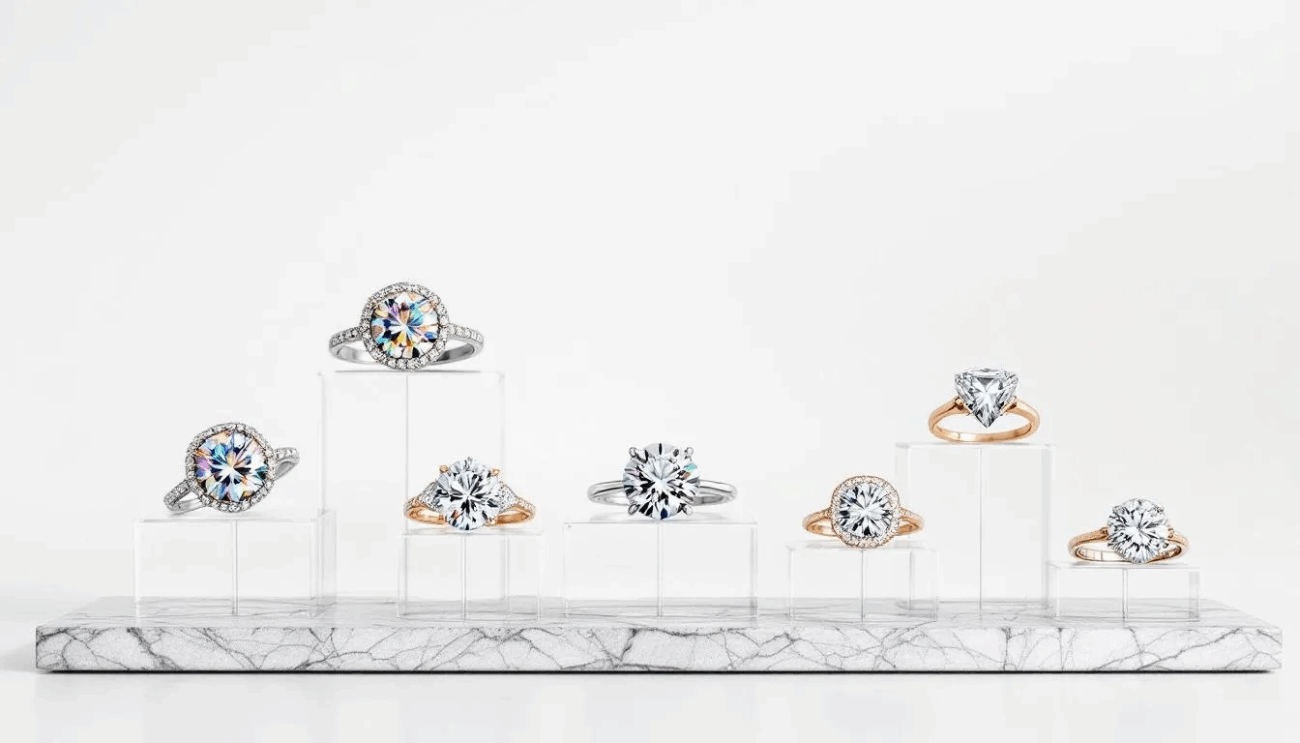
Moissanite has a refractive index of 2.65-2.69, significantly higher than diamond’s 2.42. This creates intense rainbow flashes of color called “fire” that are especially pronounced in direct sunlight or bright indoor lighting. The high refractive index means moissanite bends light more dramatically, resulting in spectacular prismatic effects that some describe as “disco ball” sparkle. Both moissanite and lab diamonds sparkles brilliantly, making them highly attractive choices for engagement rings.
Lab diamonds exhibit the classic diamond brilliance that combines white light reflection (brilliance), colorful light dispersion (fire), and light flashes when moved (scintillation). The balanced combination creates the timeless sparkle associated with traditional diamond engagement rings – elegant white light with subtle rainbow accents.
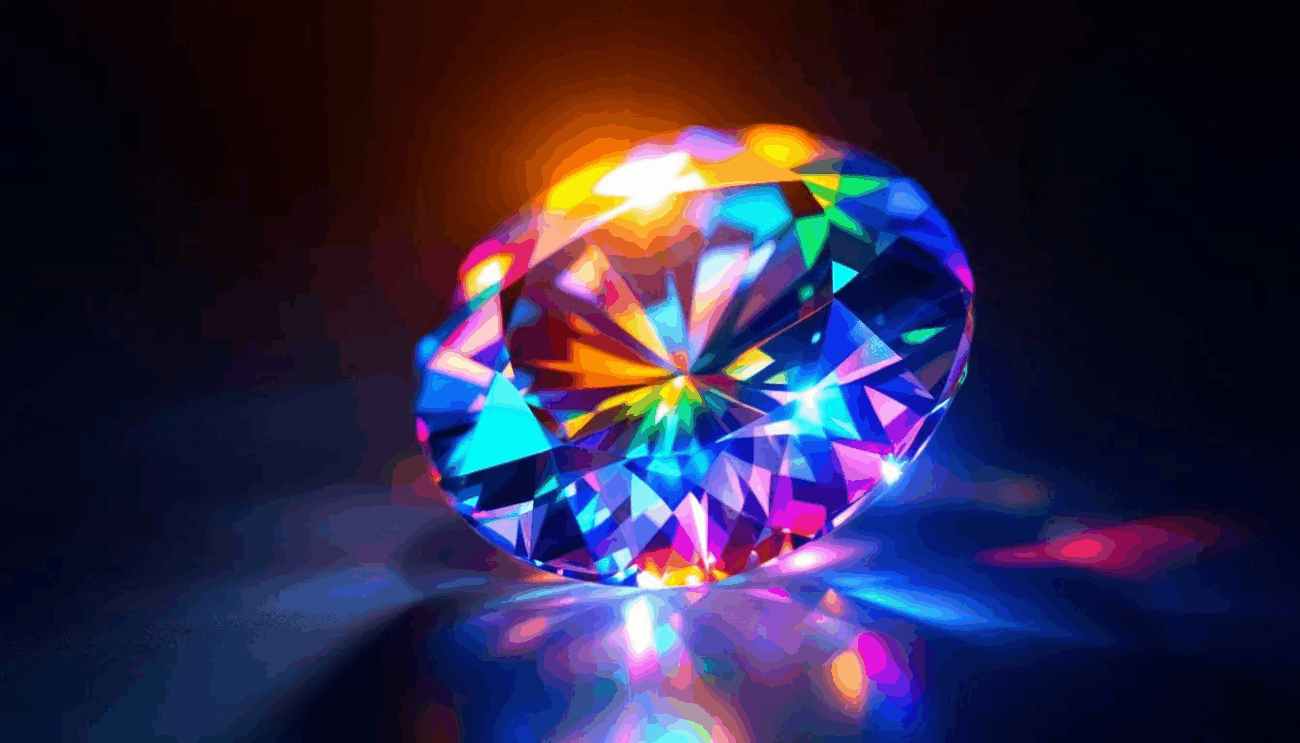
The choice between these sparkle styles is largely personal preference. Moissanite’s dramatic fire appeals to those who love maximum sparkle and aren’t concerned about looking different from traditional diamonds. Lab diamonds satisfy those who prefer the classic, refined appearance that has made diamonds the world’s most popular choice for engagement rings.
In larger stone sizes (1 carat and above), moissanite’s rainbow fire becomes increasingly pronounced, while lab diamonds maintain their balanced sparkle regardless of size. This makes carat weight an important consideration when choosing between the two options.
Color Options
Both moissanite and lab diamonds offer excellent colorless options, though lab diamonds provide more precise color control and a wider range of fancy color choices.
Lab diamonds are available across the complete D-Z color scale used for natural diamonds, with D representing perfectly colorless stones and Z showing noticeable yellow tint. Advanced growing techniques allow producers to create diamonds in specific color grades, including rare fancy colors like blue, pink, yellow, and green that command premium prices in natural diamonds.
Moissanite is available in colorless, near-colorless, and enhanced color varieties. Some moissanite stones are treated through heat or other processes to enhance their color and clarity, resulting in more desirable options for fine jewelry. High-quality colorless moissanite rivals the best lab diamonds for absence of color, though some stones may show slight yellow or gray undertones in certain lighting conditions, particularly in larger sizes. The silicon carbide crystal structure can sometimes create different color effects than pure carbon.
Most engagement ring shoppers choose colorless stones in both categories. Lab diamonds offer more predictable color performance across all lighting conditions, while premium moissanite provides excellent colorless appearance at a fraction of the cost.
Price Comparison
The price difference between moissanite and lab diamonds represents one of the most significant factors in choosing between these gemstones.
| Stone Type | 1 Carat Price Range | 2 Carat Price Range |
|---|---|---|
| Moissanite | $400-600 | $800-1,200 |
| Lab Diamond | $1,800-2,500 | $4,000-6,000 |
| Natural Diamond | $4,000-8,000+ | $12,000-25,000+ |
Moissanite costs approximately 80-90% less than comparable lab diamonds, making it possible to afford much larger stones or higher-quality settings within the same budget. A couple with a $2,000 budget could choose between a 1-carat lab diamond or a 2-3 carat moissanite of exceptional quality.
Lab diamonds cost significantly less than natural diamonds while offering identical properties, representing excellent value for those who want a “real diamond” at accessible prices. The lab grown process eliminates the rarity premium associated with mining, though lab diamonds still require sophisticated technology and time to create.
The dramatic price difference means moissanite offers better “size for your dollar” if carat weight is a priority, while lab diamonds provide better long-term value retention due to their status as genuine diamonds.
Environmental and Ethical Considerations
Both moissanite and lab diamonds offer compelling advantages over mined diamonds when it comes to environmental impact and ethical sourcing.
Environmental Benefits:
- Lab diamonds use approximately 7 times less water than mined diamonds
- No displacement of ecosystems or wildlife habitats
- Minimal land disruption compared to large-scale mining operations
- Reduced carbon footprint from transportation and heavy machinery
- No toxic chemicals released into soil and water systems
Ethical Advantages:
- Guaranteed conflict-free origin with complete supply chain transparency
- No funding of armed conflicts or human rights violations
- Fair labor practices in controlled laboratory environments
- No child labor or dangerous working conditions
- Full traceability from creation to consumer
Both lab grown options represent a significant improvement over traditional diamond mining, which can involve environmental destruction, worker safety issues, and funding of conflicts in certain regions. The controlled laboratory environment ensures ethical production while delivering identical beauty and durability.
For environmentally conscious consumers, the choice between moissanite and lab diamonds comes down to personal preference rather than ethical concerns, as both options align with sustainable and responsible jewelry practices.
Certification and Authentication
When investing in a lab grown diamond or moissanite ring, certification and authentication are essential steps to ensure you’re getting exactly what you pay for. Reputable jewelers and independent gemological laboratories, such as the Gemological Institute of America (GIA), provide detailed certification for lab grown diamonds, lab diamonds, and moissanite rings. These certificates verify the gemstone’s authenticity, quality, and the process by which it was created.
For lab grown diamonds, certification documents confirm that the stone was produced using advanced methods like chemical vapor deposition (CVD) or high-pressure high-temperature (HPHT). This verification process examines the diamond’s physical properties—such as clarity, color, and carat weight—ensuring the stone meets strict industry standards. The certificate will also specify whether the diamond is lab grown, giving you peace of mind about its ethical and sustainable origins.
Moissanite, as a popular diamond alternative, is also subject to rigorous certification. Trusted jewelers provide documentation that details the gemstone’s quality, including its clarity, carat weight, and the fact that it is created from silicon carbide in a controlled lab environment. This ensures that your moissanite ring is a genuine, high-quality gemstone with the brilliant sparkle you expect.
Always request and review certification when purchasing a diamond engagement ring or any fine jewelry featuring lab grown diamonds or moissanite. This not only guarantees the authenticity and value of your gemstone, but also provides important information for insurance and future verification. By choosing certified gemstones, you can confidently enjoy the beauty and brilliance of your ring, knowing it meets the highest standards in the industry.
Maintenance and Care
To keep your lab grown diamond or moissanite ring looking as brilliant as the day you received it, proper maintenance and care are key. Both lab grown diamonds and moissanite rings are designed for everyday wear, but a little attention goes a long way in preserving their sparkle and durability.
For routine cleaning, simply soak your ring in a solution of mild soap and warm water, then gently brush it with a soft toothbrush to remove any buildup. Rinse thoroughly and dry with a lint-free cloth. Avoid exposing your lab grown diamond or moissanite to harsh chemicals, such as bleach or chlorine, as these can damage the gemstone’s physical properties and the metal setting.
It’s also important to periodically inspect your engagement ring or fine jewelry for any signs of wear, especially the prongs and settings that hold your gemstone in place. If you notice any looseness or damage, take your ring to a professional jeweler for repair. Many jewelers offer maintenance services, including professional cleaning and polishing, to help maintain the quality and brilliance of your lab grown diamond or moissanite.
Regular verification of your gemstone’s condition ensures that any potential issues are caught early, protecting your investment and keeping your ring looking its best. With proper care, both lab grown diamonds and moissanite will retain their stunning appearance and durability for years to come, making them a brilliant choice for engagement rings and everyday jewelry.
Who Should Choose Moissanite?
Moissanite appeals to specific buyer profiles who prioritize certain characteristics over traditional diamond properties. Moissanite is a great option for buyers seeking affordability and unique sparkle.
Budget-Conscious Buyers: Those wanting maximum size and quality for their money will find moissanite offers exceptional value. The cost savings allow for larger stones, better settings, or additional jewelry pieces within the same budget.
Unique Sparkle Enthusiasts: People who love intense rainbow fire and don’t mind standing out from traditional diamond appearances will appreciate moissanite’s distinctive optical properties. Many buyers fall in love with moissanite after seeing its dramatic light performance in person, which creates a truly eye-catching effect.
Eco-Conscious Consumers: Buyers prioritizing environmental sustainability will find moissanite’s lab-created origin aligns with their values while offering beautiful jewelry without environmental concerns.
Alternative-Seeking Couples: Those who want something different from conventional engagement rings but still desire exceptional durability and brilliance will find moissanite offers the perfect combination of uniqueness and quality.
Moissanite rings work beautifully in all popular setting styles, from classic solitaires to vintage-inspired designs, making it a versatile choice for any personal style preference.
Who Should Choose Lab Diamonds?
Lab diamonds attract buyers who want genuine diamond properties while maintaining ethical and financial advantages over mined stones.
Authenticity Seekers: Those who want a “real diamond” with identical chemical, physical, and optical properties to natural diamonds will find lab grown diamonds satisfy this desire while offering better value.
Traditional Aesthetics: Buyers preferring classic diamond brilliance and the cultural significance associated with diamonds will appreciate lab diamonds’ familiar sparkle and prestige.
Future Flexibility: People planning to upgrade or potentially resell their jewelry will find lab diamonds maintain better value retention than alternative gemstones, though less than natural diamonds.
Maximum Durability: Those prioritizing absolute hardness and scratch resistance for heavy everyday wear will prefer lab diamonds’ perfect 10 Mohs rating.
Certification Importance: Buyers who want standardized grading and certification from established institutions like GIA will find lab diamonds offer this traditional quality assurance.
Lab diamonds provide the perfect solution for couples who want ethical diamond alternatives without compromising on authenticity or traditional appearance.
Buying Tips and Final Considerations
Making the right choice between moissanite and lab diamonds requires careful consideration of several practical factors.
Certification and Documentation:
- Always request certificates for lab diamonds from reputable institutions (GIA, IGI, GCAL)
- For moissanite, ensure detailed specifications including refractive index and clarity grade
- Verify the stone’s origin and growing method
- Keep all documentation for insurance and resale purposes
Viewing Conditions:
- Examine stones in multiple lighting conditions (natural daylight, fluorescent, LED)
- Compare sparkle and fire effects side by side when possible
- Consider how the stone appears in your typical daily environments
- Test visibility of any color tints in different settings
Setting Considerations:
- Both stones work excellently in all popular engagement ring styles
- Consider prong vs. bezel settings based on stone choice and lifestyle
- Discuss metal options (platinum, gold) that complement each stone type
- Plan for matching wedding bands and future jewelry additions
- Try on different stone shapes and sizes—using stickers or samples can help you find the most flattering stone shape for your hand and finger size
Long-Term Value:
- Factor in potential resale value differences when making your decision
- Consider whether you might upgrade in the future
- Evaluate the importance of investment vs. personal enjoyment
- Research retailer return policies and lifetime warranties
Professional Guidance:
- Consult with certified gemologists or experienced jewelers
- Ask about maintenance requirements and cleaning recommendations
- Discuss insurance coverage options for your chosen stone type
- Get multiple opinions if choosing between comparable options
The choice between moissanite and lab diamonds ultimately comes down to your personal priorities: budget constraints, aesthetic preferences, durability requirements, and long-term plans. Both options offer exceptional beauty, ethical sourcing, and suitable durability for lifelong wear.
Whether you choose the rainbow fire of moissanite or the classic brilliance of lab diamonds, you’ll have a stunning, sustainable, and conflict-free gemstone that represents your values and celebrates your special moments. Take time to view both options in person, consider your specific needs, and select the stone that speaks to your heart and suits your practical requirements.